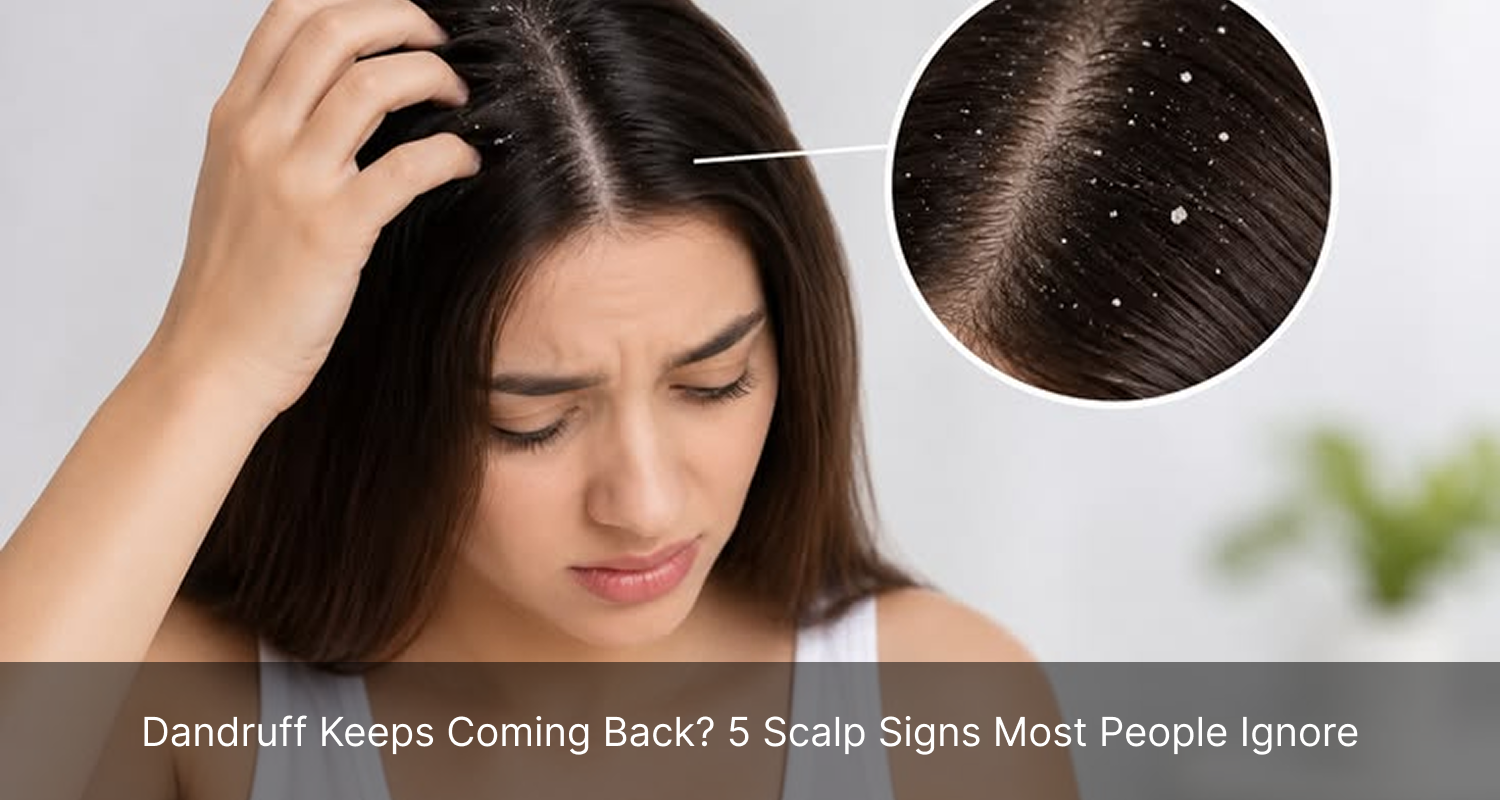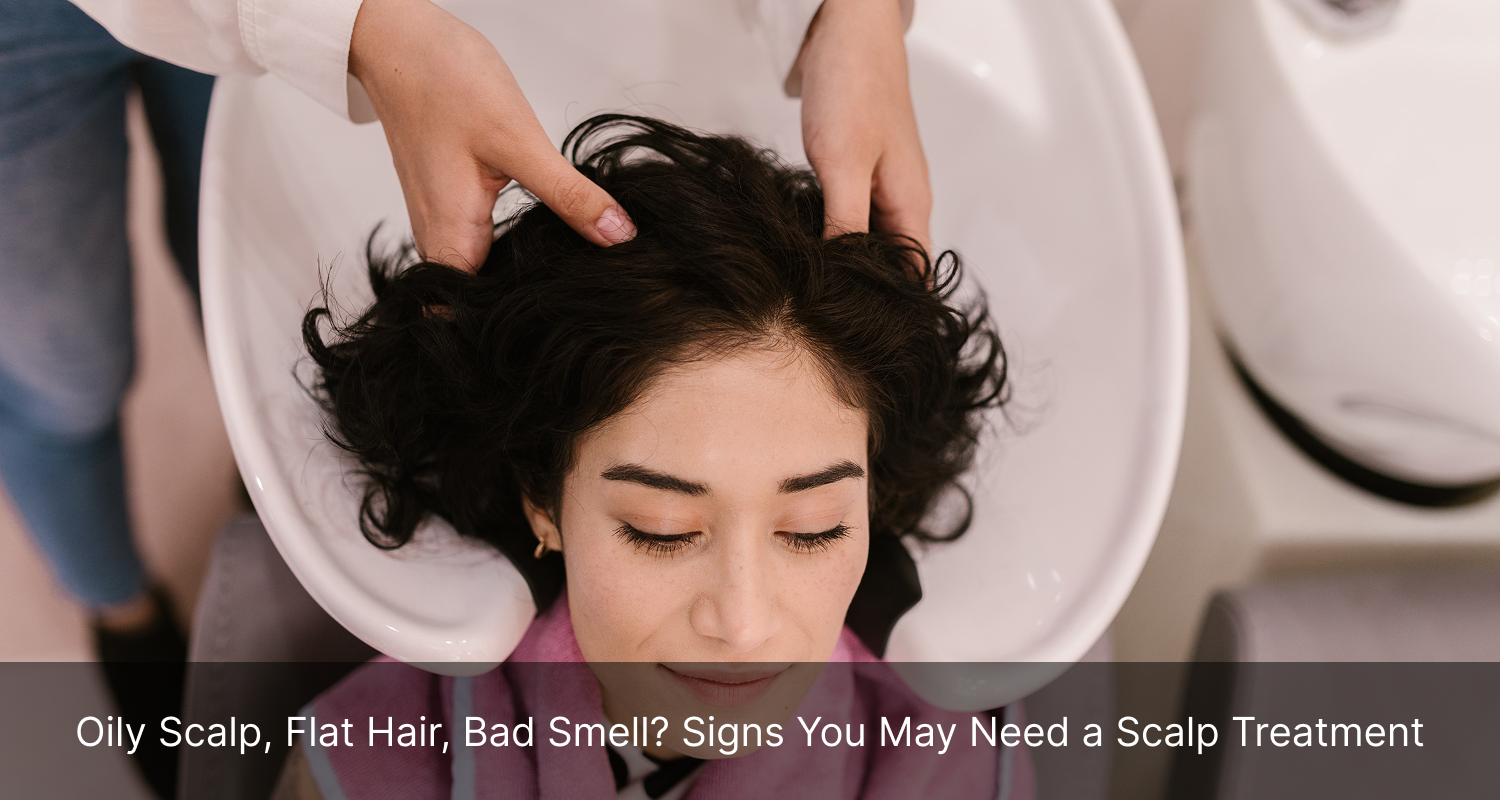
You wash your hair in the morning, but the roots already look oily by lunchtime. Your hairstyle becomes flat, and there may be an unpleasant smell even though you shower regularly.
If this sounds familiar, the problem may not be your hairstyle. It may be what is happening on your scalp.
At A-WoW-Me, we believe scalp care should begin by understanding the symptoms instead of repeatedly changing products. A professional scalp treatment may help manage excess oil, dead skin and product buildup, but it should not be treated as a medical diagnosis.
Why Does Your Scalp Become Oily or Smelly?
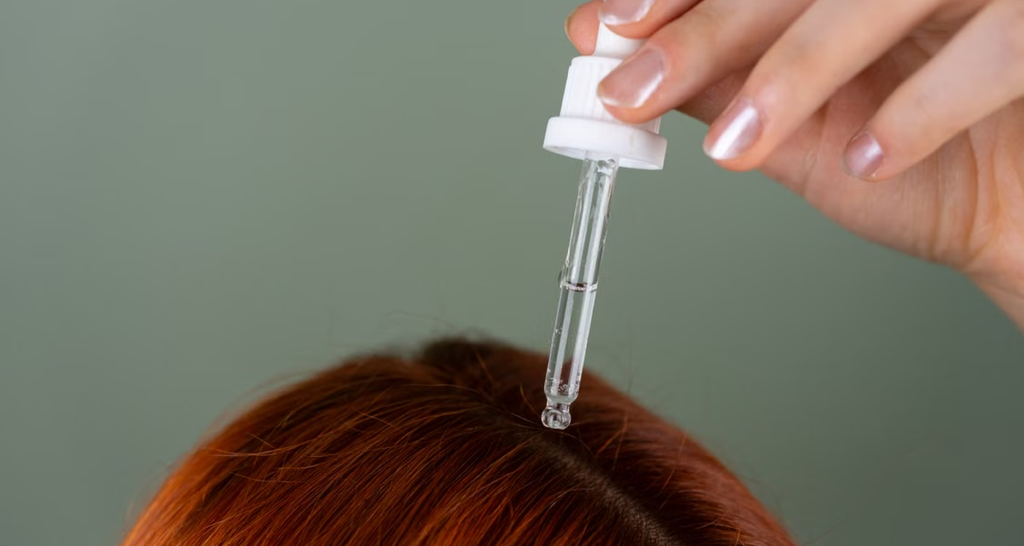
Scalp oil is not automatically bad. Natural sebum helps protect your skin and hair. Problems may appear when oil mixes with sweat, dead skin and product residue.
Excess Oil and Sweat
Malaysia’s warm weather can make the scalp feel sweaty, especially after commuting, exercising or wearing a head covering.
According to the Cleveland Clinic, a smelly scalp may be linked to a buildup of skin cells, sweat and sebum. Bacteria, yeast and styling-product residue may also contribute.
Product Buildup
Dry shampoo, hair spray, wax, serum and conditioner may accumulate when they are applied too close to the scalp or not rinsed properly.
Common signs include:
- A coated or sticky feeling
- Hair that feels heavy
- Roots that become flat quickly
- Small flakes that return after washing
Dandruff or Irritation
An oily scalp can still have dandruff. Dandruff may be related to irritated oily skin, dryness, sensitivity to products or another scalp condition.
Mayo Clinic lists flakes and itchiness as common symptoms, while seborrhoeic dermatitis may cause greasy patches and stubborn scaling.
Five Signs You May Need a Scalp Treatment
1. Your Roots Become Oily Again on the Same Day
If your roots look greasy within a few hours of washing, check:
- Whether you shampoo the scalp properly
- How thoroughly you rinse
- How often you use dry shampoo
- Whether conditioner is applied to the roots
A professional scalp assessment can help determine whether excess oil or residue is the main issue.
2. Your Hair Remains Flat After Styling
Oil and buildup around the roots can add weight, making the hair lose volume shortly after blow-drying.
You may notice:
- A flat crown
- An oily, separated fringe
- Styling products no longer working
- Heavy roots but dry ends
Adding more styling products may make the buildup worse.
3. The Scalp Smell Returns Quickly
A smell that returns soon after washing may be linked to sweat, oil, dampness or product residue.
Also check whether the smell comes from:
- Damp hair that was tied too early
- Helmets, caps or hijab inner layers
- Brushes and combs
- Pillowcases or towels
If the smell continues despite proper cleansing, consider getting your scalp checked.
4. Flakes and Itchiness Keep Returning
Occasional flakes are common, but repeated flakes combined with itching may need more attention.
Watch for:
- White or yellowish flakes
- Greasy scaling
- Red areas
- Flakes around the hairline
- Frequent scratching
Avoid scratching with your fingernails because it may damage the skin.
5. You Notice More Hair Shedding
Increased shedding may appear together with scalp discomfort, but it can also have other causes.
Look for changes such as:
- More hair in the shower drain
- A widening parting
- A thinner crown
- Patchy areas
- Sudden shedding
Do not assume that every scalp service is a hair loss treatment or hair growth treatment. Salon scalp care may support cleanliness and comfort, but sudden or patchy hair loss should be assessed by a healthcare professional.
What Can a Professional Scalp Treatment Do?
Depending on your scalp condition, a treatment may focus on:
- Removing excess oil
- Cleansing product residue
- Loosening dead skin
- Managing visible dandruff flakes
- Refreshing the scalp
- Supporting a balanced oil-and-moisture level
- Recommending suitable home care
A-WoW-Me offers an SCP scalp care treatment focused on cleansing buildup, dead skin and dandruff flakes.
What It Cannot Do
A salon scalp treatment cannot:
- Diagnose a skin disease
- Confirm the cause of hair loss
- Guarantee new hair growth
- Replace prescribed medication
- Treat a serious infection
Be careful with any service that promises identical hair-growth results for everyone.
How to Care for an Oily Scalp at Home
Support your scalp between salon visits with these simple steps:
- Apply shampoo mainly to the scalp.
- Massage gently with your fingertips instead of scratching.
- Rinse until no product remains.
- Apply conditioner from the mid-lengths to the ends.
- Dry your scalp before tying your hair.
- Clean brushes, pillowcases and reusable headwear regularly.
- Avoid applying too many styling products directly to the roots.
You can also read our guide on how hair tonic supports a hair and scalp routine.
When Should You See a Dermatologist?
Seek medical advice if you experience:
- Sudden or patchy hair loss
- Intense or persistent itching
- Redness and swelling
- Painful sores or pus
- Bleeding from scratching
- Thick crusts
- Symptoms that disturb your sleep
- Scalp odour or flaking that does not improve
You can use the Dermatological Society of Malaysia directory to find a qualified dermatologist.
Summary: Stop Guessing and Check Your Scalp
Consider a scalp assessment if you repeatedly experience:
- Greasy roots
- Flat, heavy hair
- Persistent scalp smell
- Recurring flakes or itchiness
- Unusual hair shedding
Some concerns may improve with better cleansing and professional scalp care. However, inflammation, sudden hair loss or persistent symptoms may require a dermatologist.
Ready to understand what your scalp needs? Visit your nearest A-WoW-Me outlet for a consultation, or message our team with your scalp concerns and recent hair-treatment history.
We can help you choose a practical next step instead of continuing to guess.